
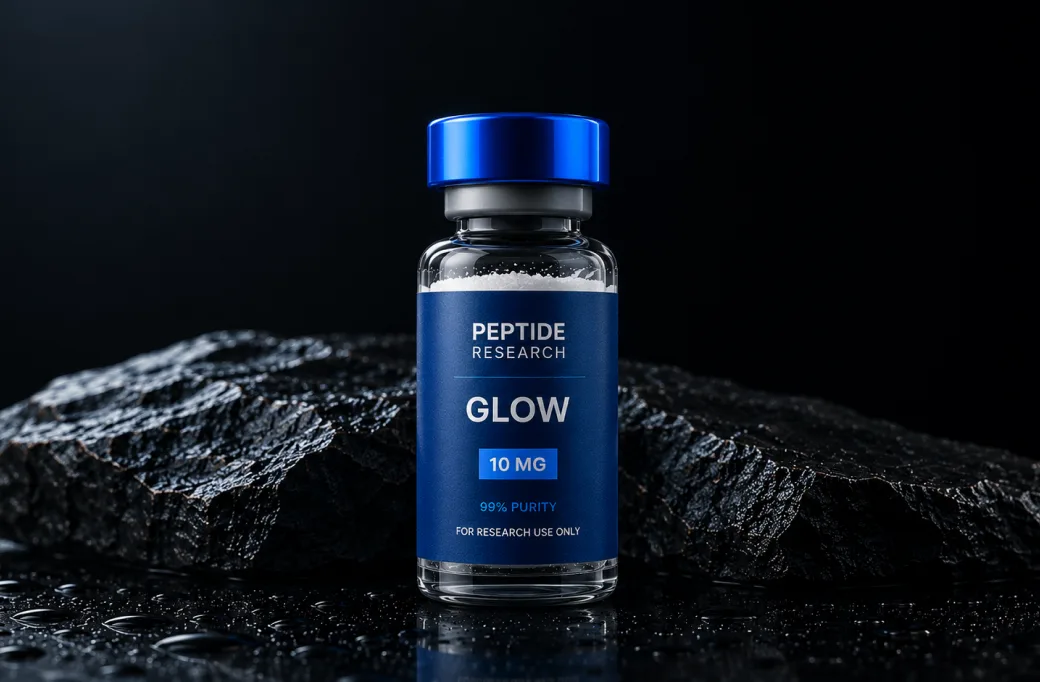
Good peptide batch documentation lets you trace every result back to the exact material used. It takes a few minutes per order, and it saves hours when you need to compare batches, repeat an experiment or answer a question about your data.
The batch number
Every vial carries a batch (lot) number. It links the physical product to its production record and to the Certificate of Analysis for that batch. Two vials of the same product from different batches can have slightly different purity results, so the batch number – not the product name – is what identifies your material.
How labels and certificates work together
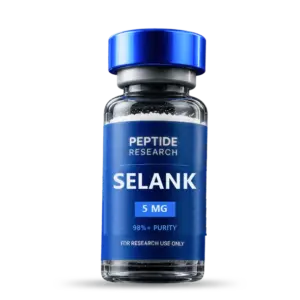
- The vial label shows the product name, amount and batch number.
- The Certificate of Analysis shows the test results for that batch number.
- The order record shows when the batch was received and how many vials arrived.
When all three match, you have a complete chain from supplier to bench. You can look up any certificate in the COA Library.
What to record for each batch
- Product name and batch number
- Date received and number of vials
- Storage location and temperature
- A copy or link to the matching COA
- Reconstitution date, solvent and concentration (if prepared)
- Experiments or studies the batch was used in
A simple record-keeping routine
- On arrival, check the batch number on each vial against the certificate.
- Save the COA in a folder named after the batch number.
- Add the batch to your inventory log with its storage location.
- Label every aliquot with the batch number and preparation date.
- Note the batch number in your lab notebook each time it is used.
Why it matters
If a result looks unusual, batch documentation shows immediately whether the material changed. It also supports reproducibility: other researchers can see exactly which batch, purity and preparation method were used. Pair this routine with good peptide storage practices to keep every batch consistent from delivery to use.
All products referenced in this article are supplied for laboratory research use only. They are not intended for human or veterinary use, diagnosis or treatment.
Built with Peptix. This blog layout is part of Peptix, a peptide WordPress & WooCommerce theme. View the theme →




• Join the Discussion •
Leave a Comment
No comments yet. Start the discussion.