
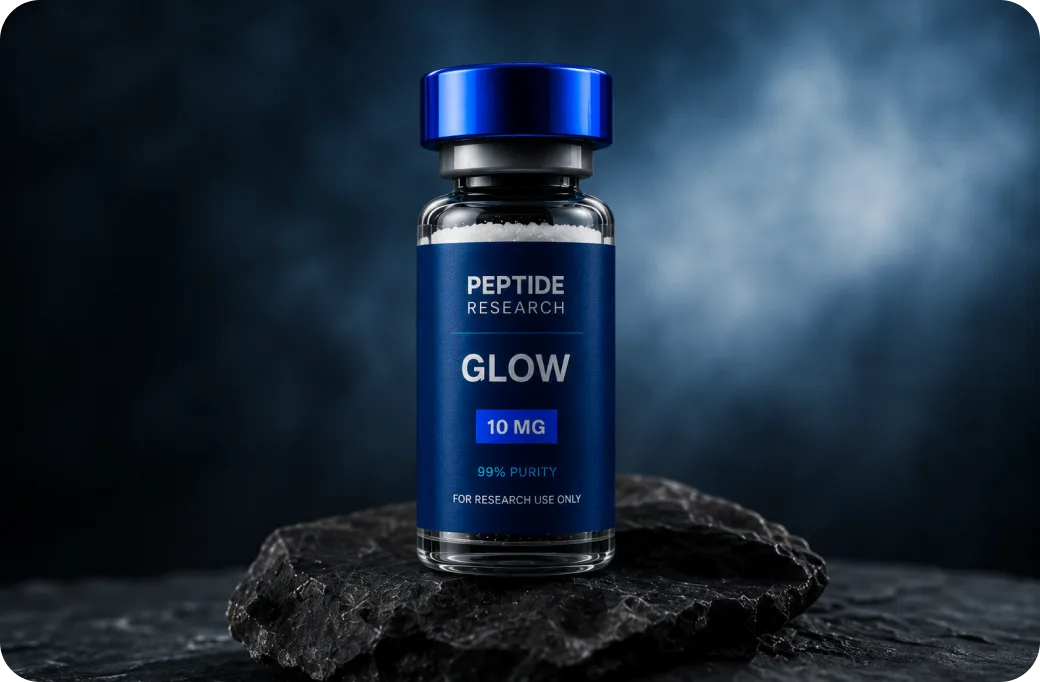
A peptide Certificate of Analysis (COA) is the single most important document you receive with a research compound. It is the laboratory record that shows what was tested, how it was tested and what the results were for one specific batch. Before any material goes into a study, the COA is how you confirm that it matches its label.
What is a Certificate of Analysis?
A COA is a report issued after analytical testing of a production batch. For research peptides it normally confirms two things: identity (the compound is the intended sequence) and purity (how much of the sample is that sequence). A good certificate is tied to a batch number, not to a product in general, so the results describe the exact material in the vial.
What a peptide COA should include
- Product name and sequence or CAS number – identifies the compound being tested.
- Batch (lot) number – must match the label on the vial you received.
- Purity by HPLC – reported as a percentage, usually with the chromatogram.
- Identity by mass spectrometry – the measured molecular weight compared with the theoretical mass.
- Test date and laboratory name – shows when and where the analysis was carried out.
- Methods and specifications – the test conditions and the acceptance limits the batch had to meet.
Why COA testing matters in research
Research results are only as reliable as the materials behind them. A batch with lower purity or the wrong molecular weight can change outcomes and make experiments impossible to reproduce. Reviewing the certificate before use lets you catch problems early, compare batches over time and keep accurate records for every study.
Independent, third-party testing adds another layer of confidence. When the laboratory that produces the report is separate from the supplier, the results are harder to influence and easier to trust.
How to check a COA against your order
- Find the batch number printed on the vial label.
- Open the certificate for that batch, for example in the COA Library.
- Confirm the product name, batch number and test date match.
- Check that purity meets the specification listed for the product.
- Confirm the mass spectrometry result matches the expected molecular weight.
If any detail does not match, contact the supplier before using the material.
Reading the results in more detail
Once you know what a COA contains, the next step is interpreting the numbers. Our guide on how to read peptide COA results walks through each section, and HPLC vs. mass spectrometry explains the two tests that appear on almost every certificate.
Key takeaways
- A COA is batch-specific – always match the batch number on the vial.
- Look for both purity (HPLC) and identity (mass spectrometry) results.
- Independent laboratory testing makes the results more trustworthy.
- Keep a copy of every certificate with your research records.
All products referenced in this article are supplied for laboratory research use only. They are not intended for human or veterinary use, diagnosis or treatment.
Built with Peptix. This blog layout is part of Peptix, a peptide WordPress & WooCommerce theme. View the theme →





Really clear breakdown. I hadn’t realised the retention time on the HPLC trace should be compared against a reference standard, not just read as a purity number.
Thanks, Rachel! Exactly right: the purity percentage only tells half the story. Identity is confirmed by matching the retention time and the mass spectrum.
Do you publish the COA for every batch, or only the most recent one? We need to match certificates to the lot numbers in our lab records.