
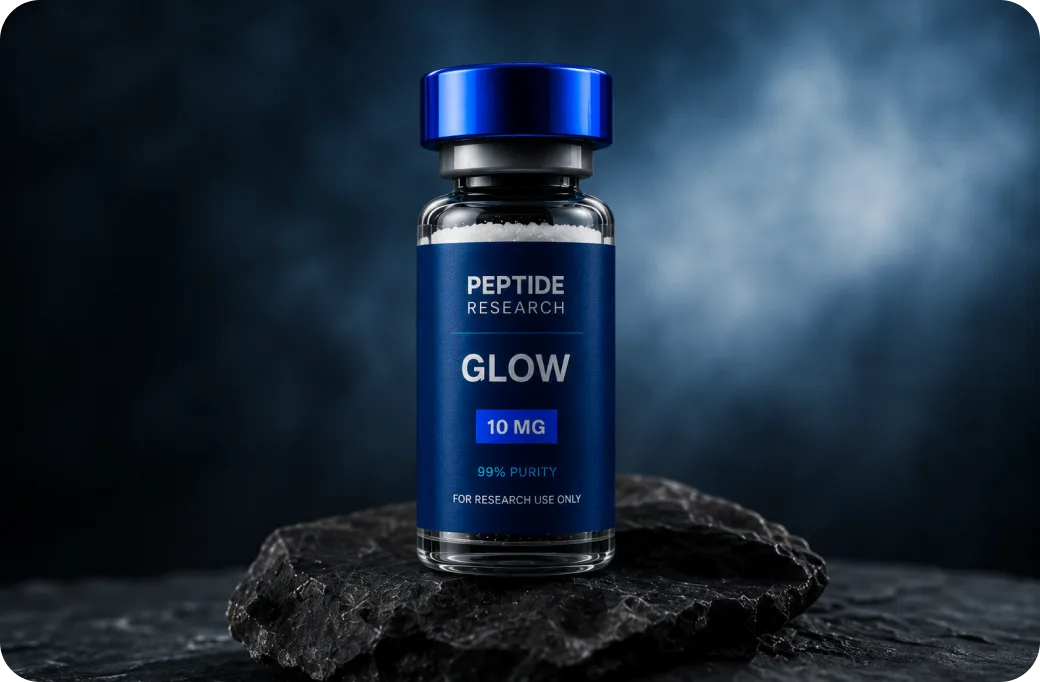
Knowing what a Certificate of Analysis is matters less than knowing how to read it. This walkthrough explains each part of typical peptide COA results and what to check before a compound goes into your study. If you are new to COAs, start with understanding a peptide Certificate of Analysis.
Header and batch details
The top of the certificate identifies the product, batch number, test date and the laboratory that performed the analysis. Check first that the batch number matches the label on your vial. If it does not, the rest of the document does not describe your material.
Identity: mass spectrometry
Mass spectrometry confirms that the compound has the expected molecular weight. The certificate lists the theoretical mass and the measured mass. The two values should match within the tolerance stated on the certificate – usually within about one dalton for most research peptides.
Purity: HPLC
The HPLC section shows the purity percentage and usually the chromatogram. One dominant peak indicates a clean sample; several large peaks point to impurities. Compare the result with the specification for the product. Our guide on peptide purity explains what the percentage means.
Appearance and solubility
Many certificates also record the physical appearance of the powder (for example, white lyophilized powder) and its solubility in a stated solvent. These help you confirm the vial looks as expected and plan reconstitution.
Specifications and result
The final section lists each test, its acceptance limit and the measured result, followed by an overall pass or conforms statement. Every line should meet its specification.
Red flags to watch for
- No batch number, or a batch number that does not match the vial.
- No laboratory name or test date.
- Purity reported without a chromatogram or method.
- Missing identity (mass spectrometry) results.
- The same certificate used for every batch of a product.
Quick COA checklist
- Batch number matches the vial.
- Measured mass matches theoretical mass.
- Purity meets the product specification.
- Test date and laboratory are shown.
- Overall result is pass / conforms.
You can review the certificate for any batch in the COA Library before you order.
All products referenced in this article are supplied for laboratory research use only. They are not intended for human or veterinary use, diagnosis or treatment.
Built with Peptix. This blog layout is part of Peptix, a peptide WordPress & WooCommerce theme. View the theme →





• Join the Discussion •
Leave a Comment
No comments yet. Start the discussion.